Valero redevelopment: Who will pay for new roads, service lines, parks?
Plus, read Signature Development Group's latest report submitted to the City of Benicia
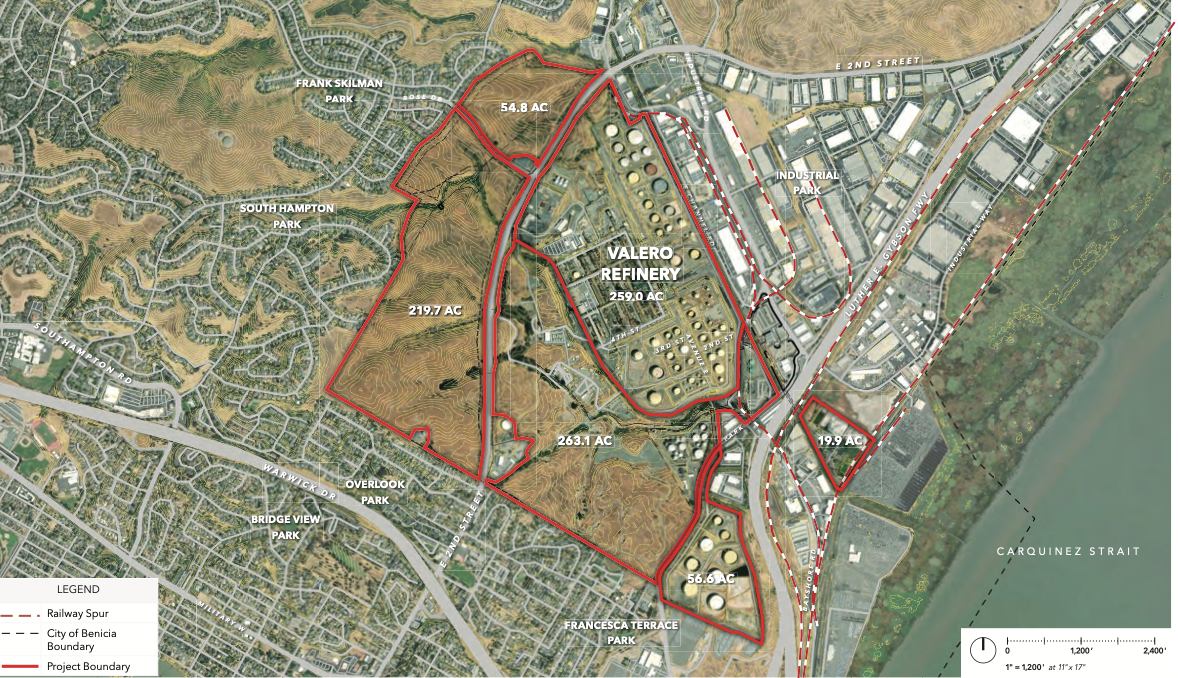
Valero-contracted Signature Development Group may submit a formal planning application to the City of Benicia as soon as this fall to redevelop the energy company’s 900 acres along East Second Street. The developer’s dreams may be funded in part by new property taxes for future owners in the redevelopment zone, according to documents Signature has submitted to the City.
Read Signature Group Development's latest submissions to the City
What: Valero has contracted East Bay property developer, Signature Development Group, to redevelop the site of its former Benicia refinery. The Benicia Bridge broke the news of the plant’s official idling in mid-April.
The Benicia Bridge obtained Signature Development Group’s pre-application document, which has not previously been made public. Read Signature’s document and presentation.
What they're proposing
Signature says its pre-application comes after the company says it has spent a year engaging with the City and community members about how the Valero Refinery’s redevelopment would fuel the community’s vision for Benicia.
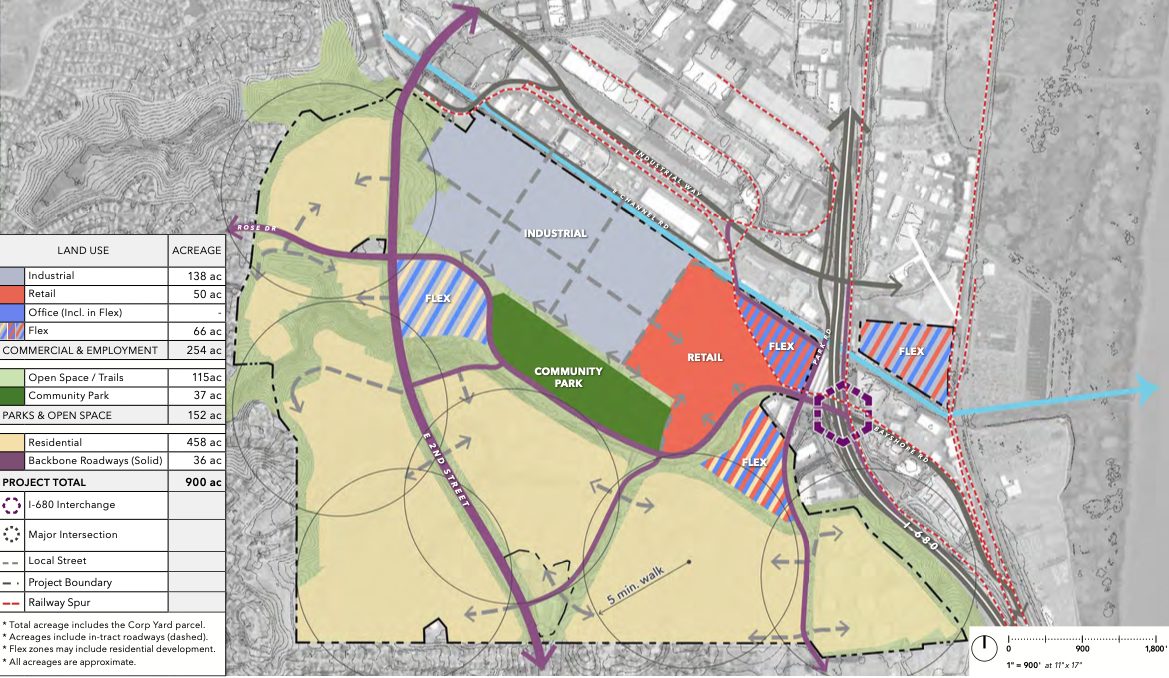
It proposes:
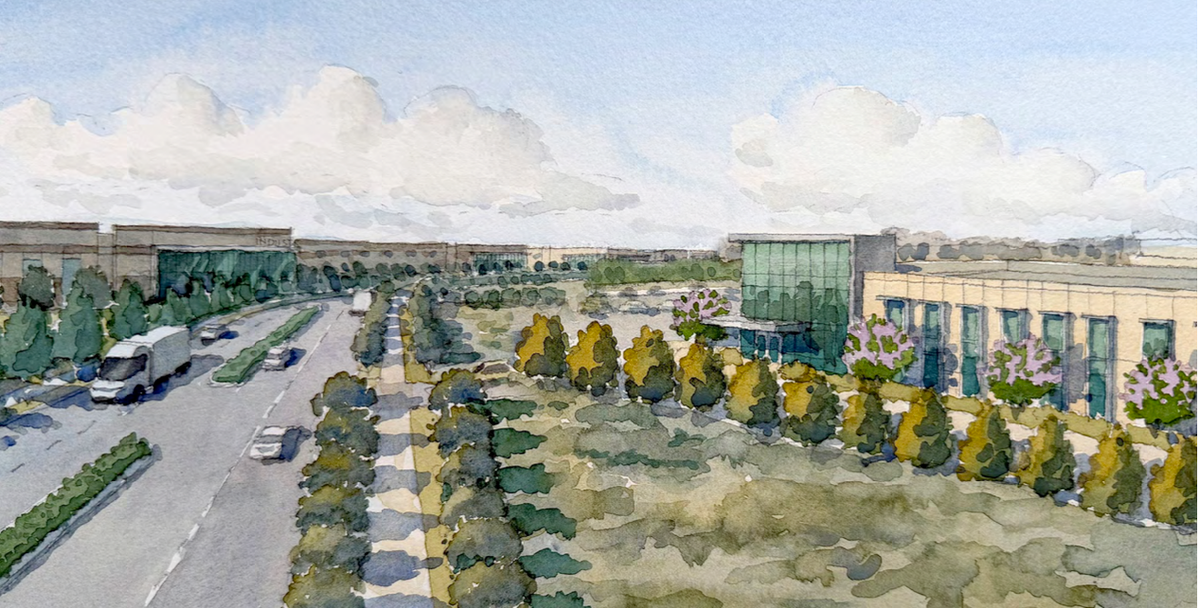
- Industry: Up to 3 million square feet of industrial space on the land that formed the heart of Valero’s refining operations, including advanced manufacturing facilities for fields such as robotics. Speaking to the Vallejo Sun Times, Signature has confirmed that there are no plans to build a data center on the land.
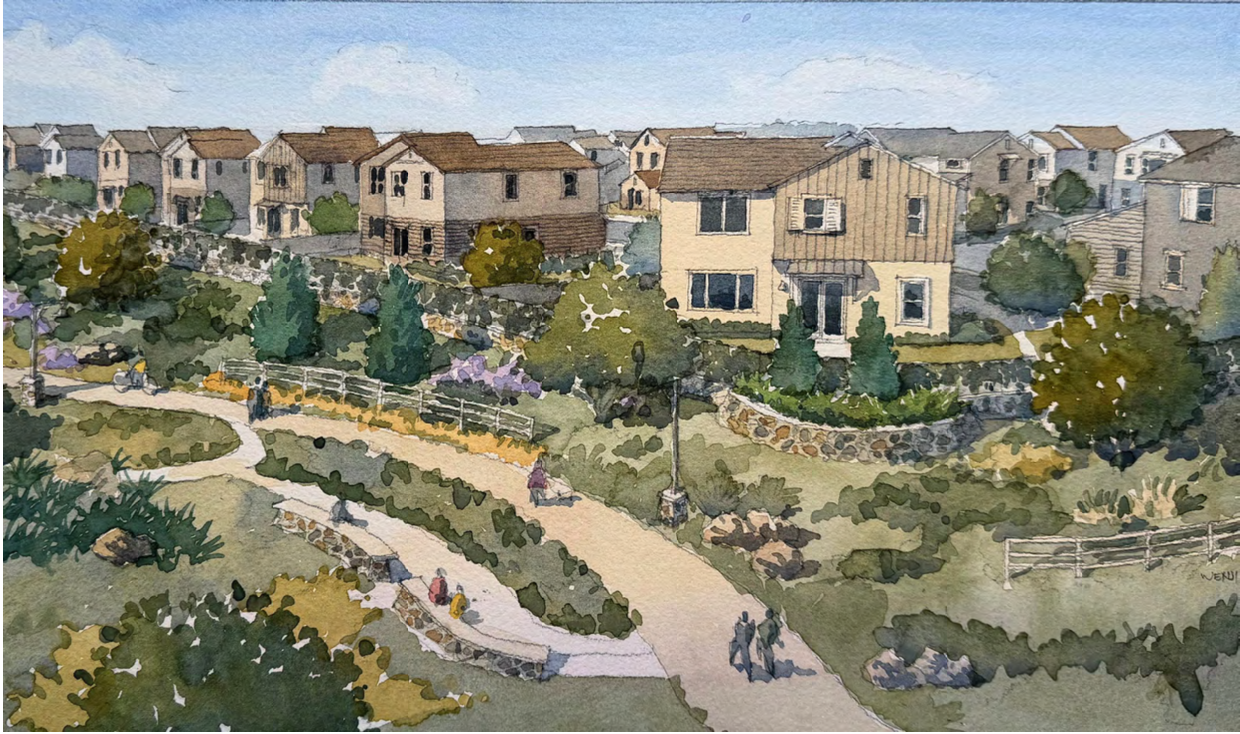
- Housing: Up to 3,500 housing units, with a focus on single-family homes. The plans also include some townhouses and a 4- to 5-story affordable housing apartment complex near a proposed shopping center. Homes would be built primarily on the meadows that currently flank East Second Street. These undeveloped lands form part of the refinery’s current “buffer zone,” or land that was intended to mitigate the impacts of noise and emissions, for instance, on nearby residents.
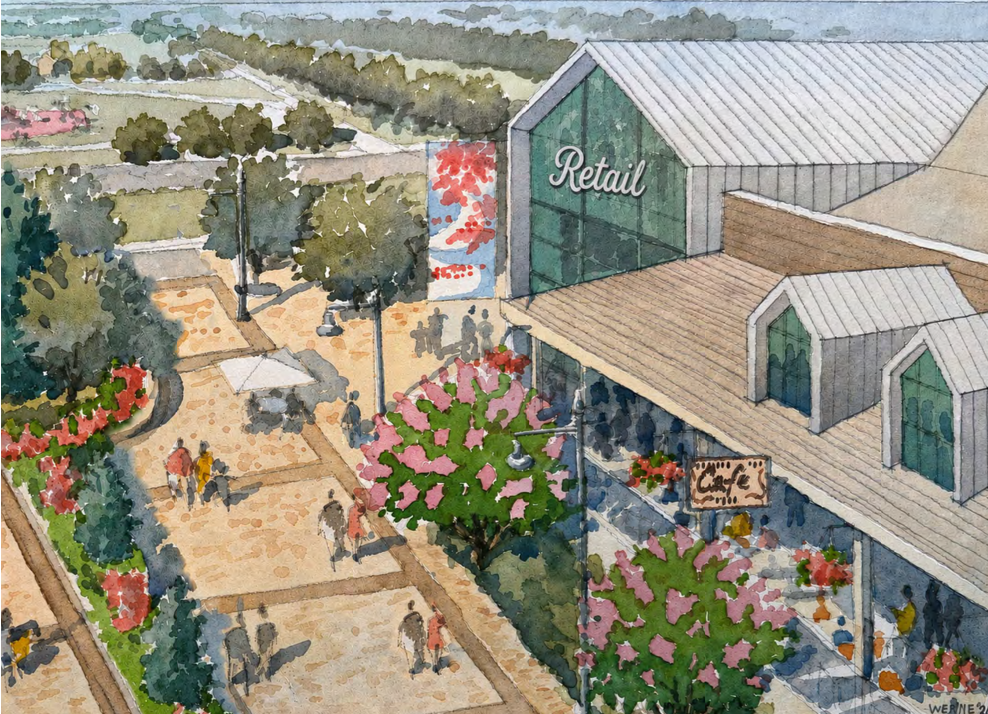
- Grocery store and shops: Up to 600,000 square feet of retail space, including a shopping center with a grocery store proposed at the intersection of Park and Bayshore roads. Nearby restaurants and other retail shops, Signature writes, may also attract health care providers interested in medical office space.
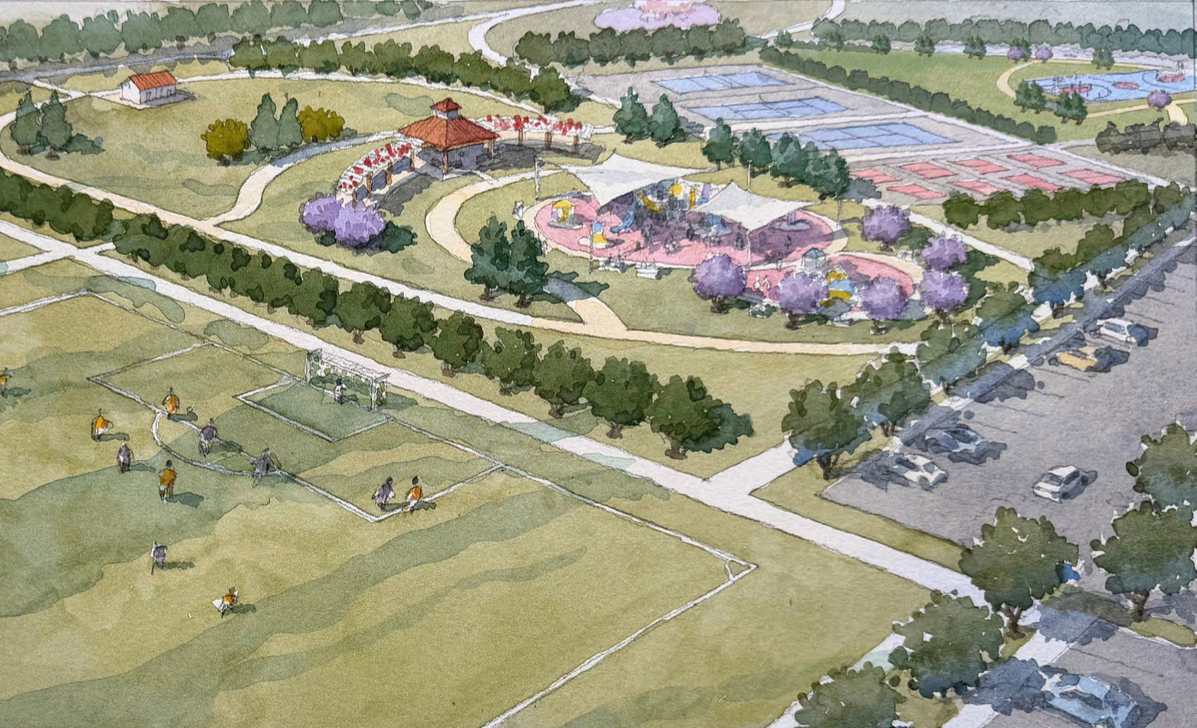
- Open spaces: About 150 acres of open space, parks and trails, including a 35-acre central community park. This includes proposed greenbelts that surround pockets of housing and sit between envisioned homes and major roadways.
Will we see a full environmental impact assessment?
Yes, say Signature documents.
Whose footing the bill?
Signature says environmental remediation of the site will be privately funded. But the contractor is proposing to create a Community Facilities District to fund the construction of new roads, water and sewer connections, and parks as part of the development.
What is a Community Facilities District?
Created in response to Prop 13, Community Facilities Districts provide local governments in California with a flexible way to fund improvements via special and limited property taxes. In this case, property owners within the Valero redevelopment site would pay special fees to fund the new infrastructure needed to support the project.
Community Facilities Districts are nothing new — California was home to at least 1,200 as of 2024, and the City of Benicia has considered them in the past to plug funding gaps.