End of Era: Valero has closed Benicia refinery, plans total exit
Company representative says Valero has no plans for a “tank farm” and will likely leave in the next two years
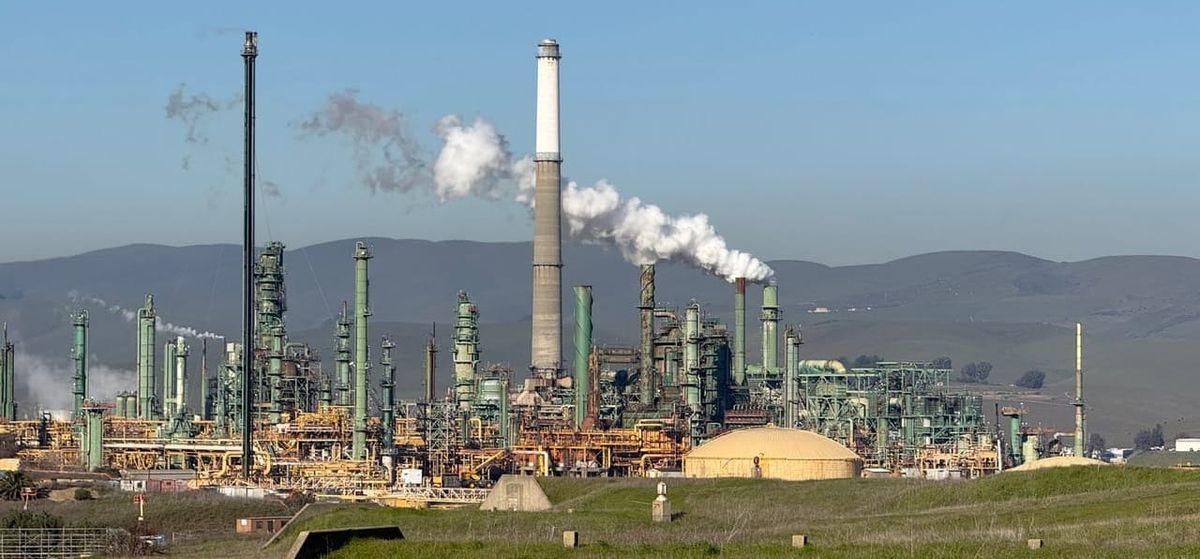
For the first time in nearly 60 years, Benicia’s refinery stacks have gone quiet as Valero has officially stopped refining at the plant, general manager and vice president, Lauren Bird, confirmed Tuesday.
About 60 employees are expected to remain at the Benicia refinery following another round of layoffs Wednesday — a fraction of the roughly 400 employees once employed at the refinery.
Bird said about 20 employees will ultimately be left at the facility after the layoffs conclude. These workers — alongside contractors — will help Valero continue importing, storing, and distributing gasoline and diesel fuel, Bird said.
Valero will no longer supply jet fuel through Benicia, said the company’s section business law chief, David Giles. The amount of petroleum products distributed will be roughly a third of the more than 100,000 barrels that were previously refined daily at the plant.
Bird is retiring at the end of the month. Valero has been tight lipped about their future plans. Bird and executives from San Antonio spoke at the final meeting of the Valero Community Advisory Panel on Tuesday. Although the community advisory panel will cease to exist, the city and Valero may continue discussions through other existing committees, such as the city’s Industrial Safety Citizen Oversight Commission.
The Benicia refinery was originally built in 1968 by Humble Oil Company, which was acquired by Exxon Mobil in 1973. Valero purchased the refinery from Exxon Mobil in 2000 for $895 million.
Valero aims to leave entirely in two years
Valero executives dashed any hopes that the company might pursue a “tank farm,” or longer-term storage at the facility. Instead, Valero is likely to vacate the site in the next two years, according to Giles.
“We use that word, 'idle,’ because the State of California has asked to idle the refinery in a state where it could theoretically be restarted,” Giles said. “Valero doesn’t have an intention to do that … but we’re keeping that [infrastructure] in place at their request. We’re not going to do that forever...It could be more than a year, but we don't see going more than a couple of years, and probably less.”
Benicia faces tough budget cuts
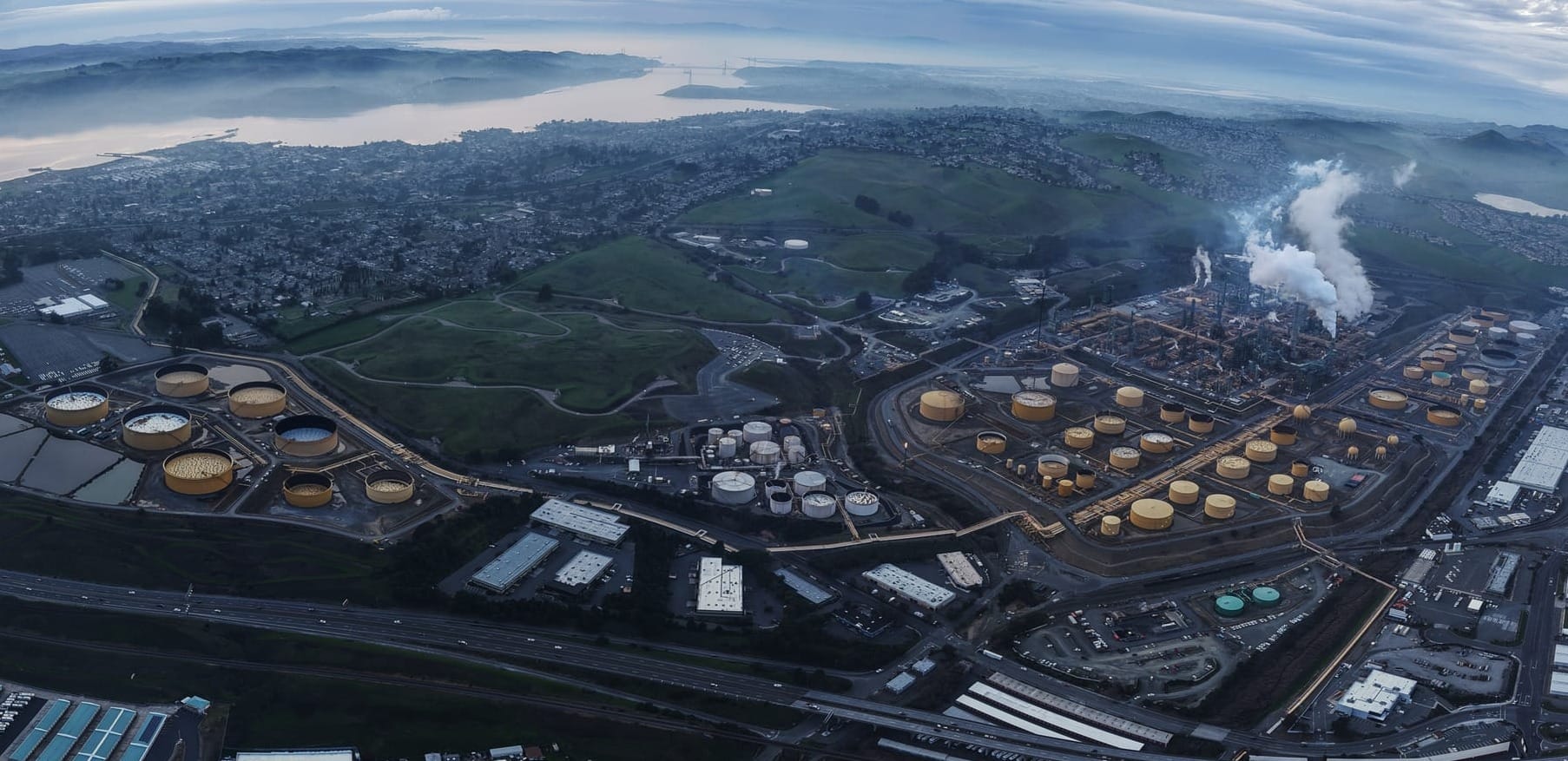
The closure of Valero could result in up to nearly $11 million in annual revenue loss, largely in lost tax and water utility payments, according to the city’s worst-case projections. But the city cannot yet forecast when and how its tax base will be hit by Valero’s decision to idle its refinery, said City Manager Mario Giuliani, speaking at the recent State of the City address.
Giuliani said the city only expects to get clarity on the true cost of Valero’s exit in early 2027. Meanwhile, he said the city will use about $3.5 million of reserves in the next year to cover anticipated shortfalls from lost revenue. The city manager warned that Benicians can expect to make tough cuts in services in the town’s next 2027-2029 budget cycle.
The city continues to eye ways to bridge the financial gap, including applying to access at least $25 million in earmarked funding stemming from Valero’s payment to the Bay Area Air District of its 2024 record-setting pollution fine.
This story was reported by Laura López González. Reach out at laura@thebeniciabridge.com.