Black Smoke, Months of Flaring, Few Answers as Valero shuts down Benicia refinery
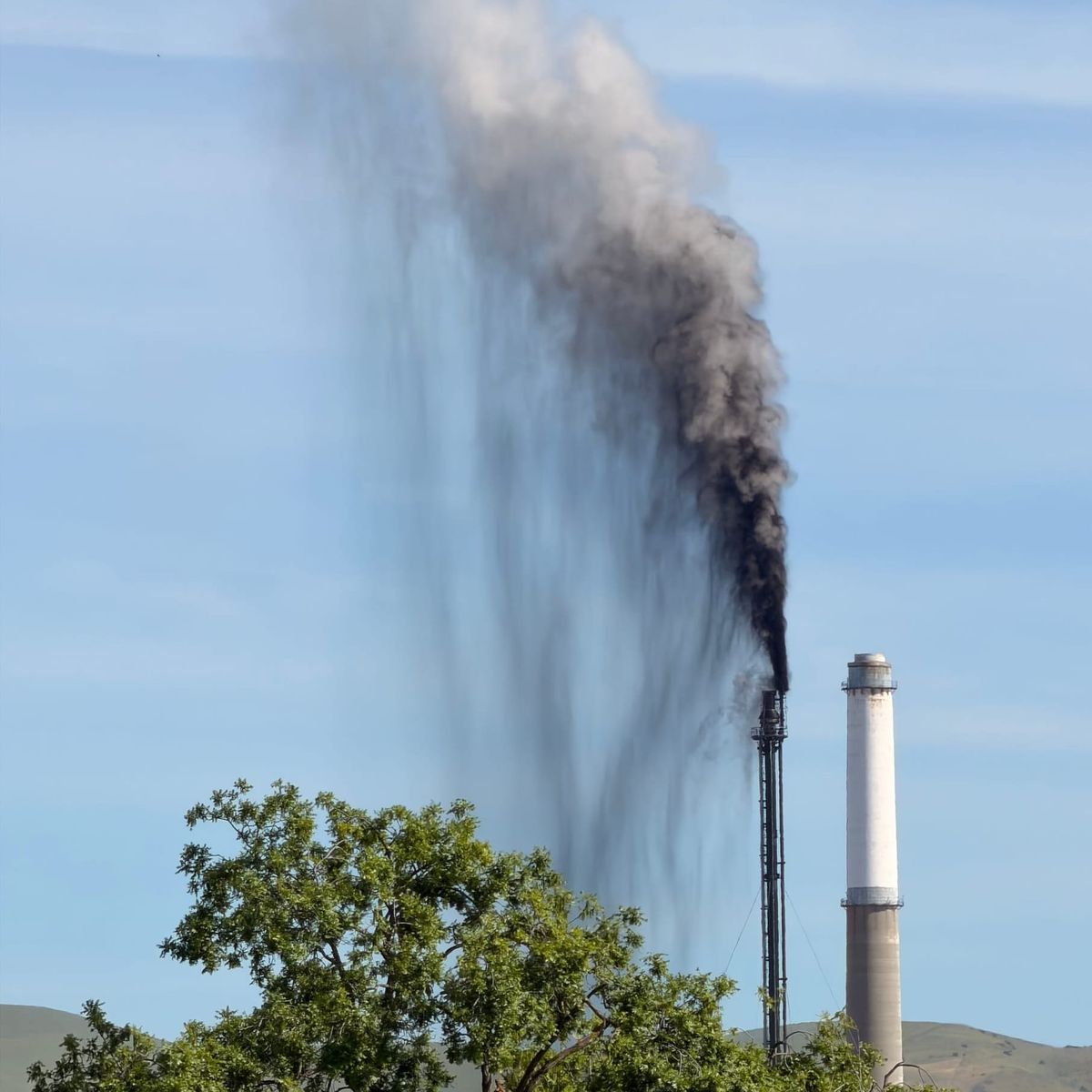
Black smoke and soot erupted from a flare stack during a cleaning operation at the Valero Refinery in Benicia Thursday morning, prompting the Fire Department to issue a voluntary shelter in place – the most recent emissions event attributed to refinery shutdown activities.
For two months, residents have witnessed increased flaring and wafting odors with little information about the content of the emissions or the associated health risks.
Thursday’s release marked the eighth public notice issued by the City of Benicia regarding public impacts from refinery shutdown operations this year. Solano County, the City of Benicia and the Bay Area Air District all say they closely and regularly monitor shutdown operations, yet neither public safety officials or air regulators can tell residents what is being released into the air. Valero did not respond to email requests for information.
Previous flaring events emitted sulfur dioxide and other pollutants that contributed to particulate matter. Prolonged exposure to elevated levels of fine particulate matter has been linked to asthma, lung cancer, and dementia.
Recent notifications from the city say shutdown operations are expected to continue for several more weeks and will involve intermittent odors and flaring.
Valero has said it would idle refining operations by April.
What happened on Thursday?
A chemical reaction to a cleaning product inside a flare tower caused a plume of black smoke and soot Thursday morning. Valero reported that the release was a combination of water, cleaning solution, and petroleum product, according to the Benicia Fire Department.
“As far as what chemicals, we don’t have that information,” said Della Olm, Fire Department spokesperson.
Residents were alerted that “Valero had a material release from the south flare tower” and were advised, as part of a voluntary shelter-in-place, to stay indoors and close doors and windows if they noticed odors or were in sensitive groups, such as young children or the elderly.
The Fire Department first issued a written notification at 10:40 a.m., then implemented the emergency notification system around 11 a.m., sending phone calls and texts via the emergency Solano Alerts system.
Hear the message sent through the Solano Alert System to Benicia residents about a material release from the Valero Refinery at 11:26 a.m. on March 26, 2026.
Benicia Unified School District ordered schools to shelter in place “in an abundance of caution,” and limited students’ outside time and classrooms were closed to outside air. The district says that classrooms are equipped with high-quality air filters.
Solano Public Health said in a written statement that the City of Benicia’s health alerts and shelter-in-place orders “are determined with a low threshold to strongly err on the side of safety.”
The agency advised that staying indoors, using air filters or running home ventilation systems on recirculation settings can reduce people’s exposure to smoke or soot — especially for the young and old, who may be more prone to respiratory issues, for instance. Solano Public Health recommended KN95-grade masks for those who had to be outside.
The health department did not note an increase in emergency medical activity as a result of the incident.
The agency said its greatest concern is the fine particulate matter present.
“Although odors can be obnoxious and can make individuals feel ill, the greater concern is fine particulate matter. Fine particles may be present in any discharge of smoke or soot, including the discharges,” the department statement says.
Fine particulate matter is made up of tiny particles about 30 times smaller than a human hair, which can be inhaled deep into the lungs and even enter the bloodstream. Studies have linked prolonged exposure to these particles to conditions such as asthma, heart disease, stroke, lung cancer, and an increased risk of early death. Exposure to elevated levels was recently identified as a risk factor for dementia, including Alzheimer’s disease.
What does flaring release?
When asked what pollutants might be released during shutdown operations, the Air District pointed to self-disclosure reports refineries are required to submit to the air pollution regulatory agency months after flaring events occur.
Previous reports show some local flaring events released hundreds or thousands of pounds of methane, non-methane hydrocarbons and sulfur dioxide. Not all flaring results in that level of emissions.
Generally, refinery emissions can include a range of pollutants, including hydrogen sulfide and sulfur dioxide that cause strong odors, as well as volatile organic compounds (VOCs) – like benzene, which is a known carcinogen, and other hydrocarbons, all of which contribute to particulate matter.
Air District inspectors in 2019 discovered Valero failed to report and prevent 16 years of emissions from the facility's hydrogen system that contained harmful organic BTEX compounds including benzene. The refinery emitted an estimated 8,400 tons over sixteen years, or 2.7 tons a day – over 360 times the legal limit, according to the California Air Resource Board.
Refineries have both expected and unplanned, or “fugitive,” emissions, such as leaks and pressure changes during normal operations or during flaring, if something goes wrong.
“Flaring is intended to combust gases rather than release them directly into the air, which reduces potential risk,” said Miranda Iglesias, a media manager for the Air District. “Public health concerns may arise if flaring is excessive, prolonged, or associated with uncontrolled emissions, strong odors, or visible smoke.”
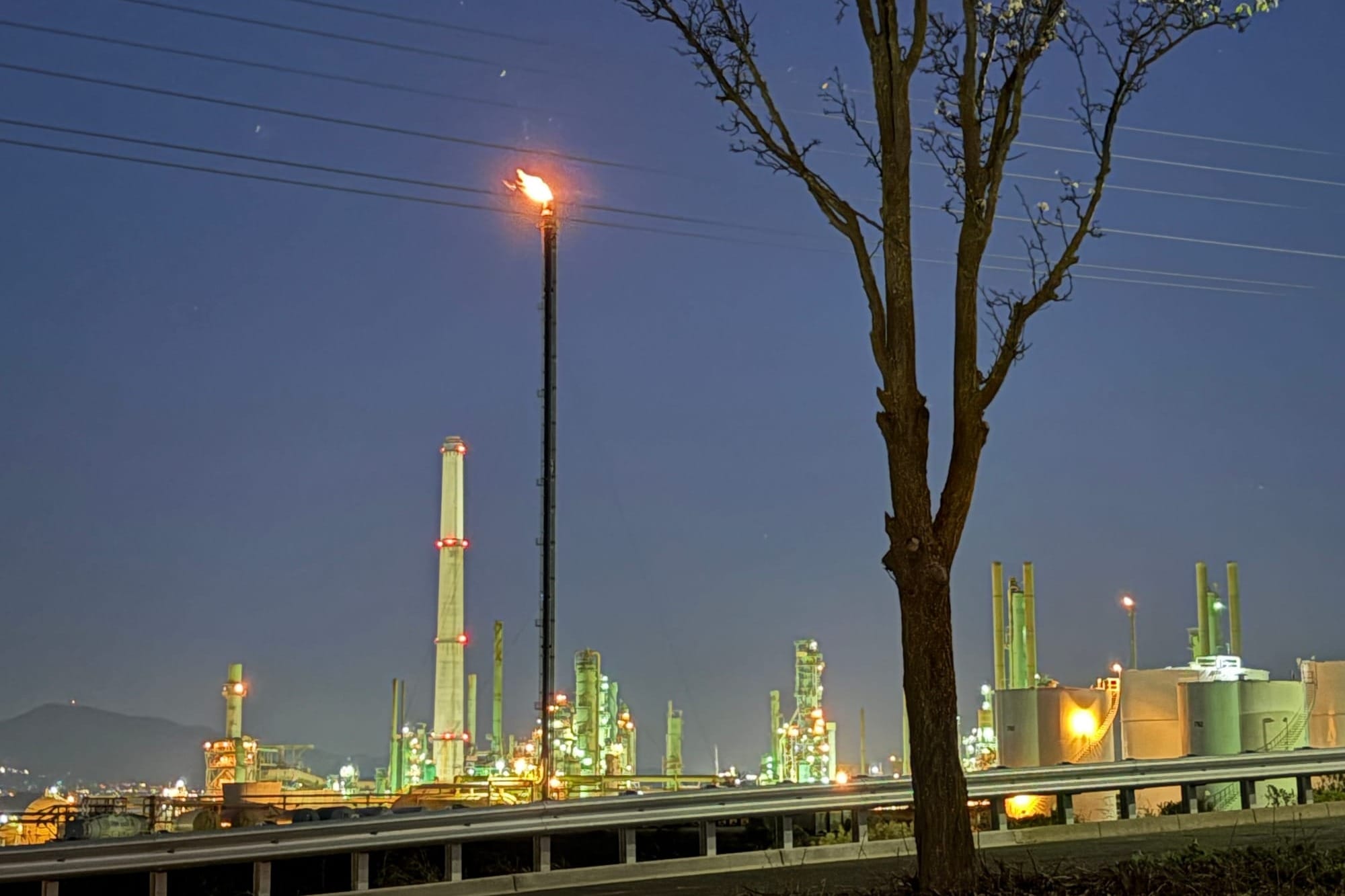
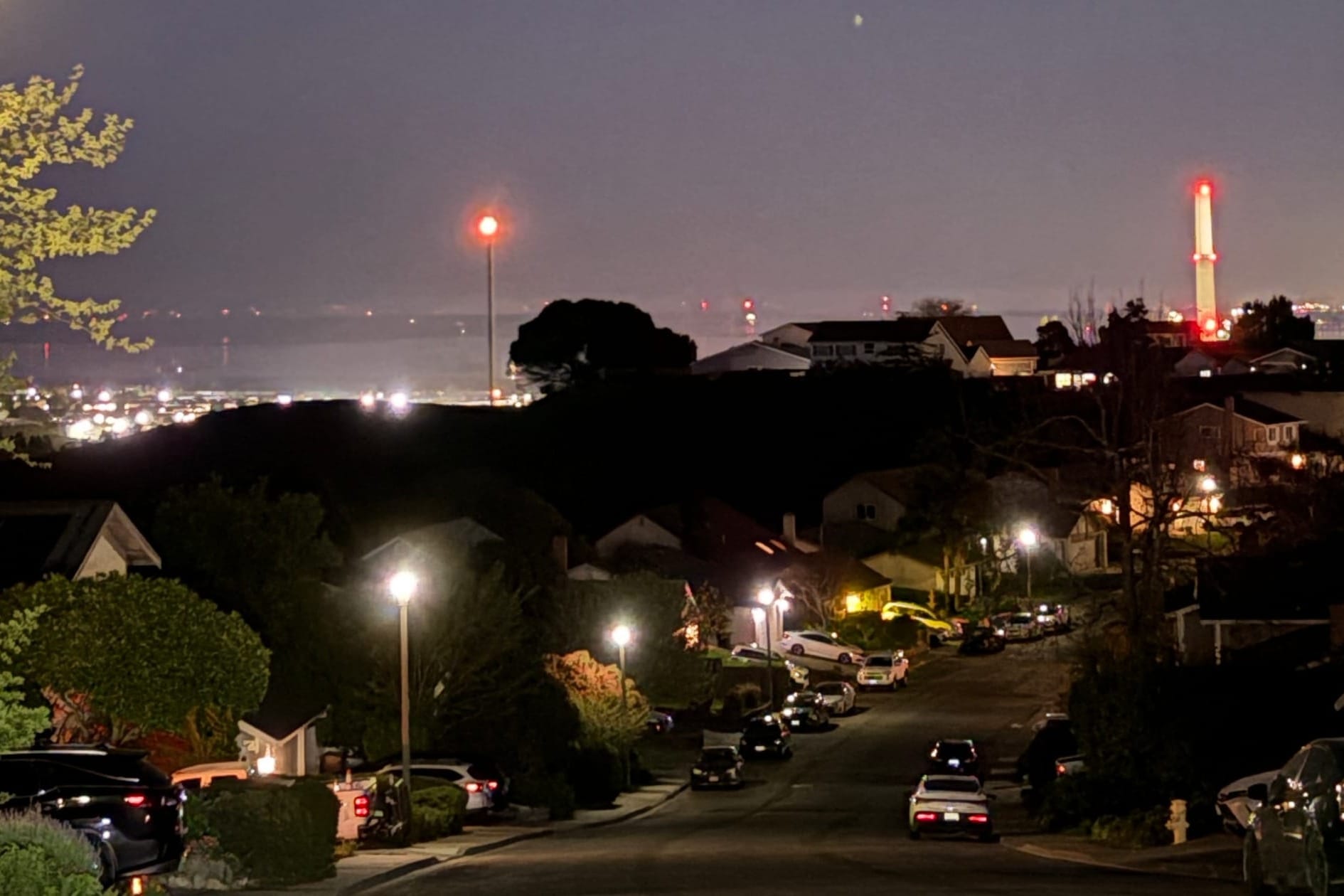
Flaring has been intermittently visible day and night from various stacks at the Benicia facility, and residents have reported long spells of odors. In the last two months, the Fire Department issued eight notifications of ongoing flaring and odors, and a sulfur dioxide release on Feb. 8.
Valero Benicia Refinery reported flaring-related emissions last September of 5,100 pounds of methane, 3,900 pounds of non-methane hydrocarbons and 7,800 pounds of sulfur dioxide released during a four-day flaring event, according to a report signed by company management. The cause was reported as an unplanned shutdown and start-up of the Fluidized Catalytic Cracking Unit.
Refineries are required to provide a flare report to the Air District that should include calculated emissions 60 days following the end of the month in which a certain flaring event occurs. The most recent report from Valero is dated Nov. 25, 2025, for the September event.
Nearby refineries reported flaring events this year, which may contribute to Benicia’s air quality. Martinez Refining Company, for example, reported an unplanned compressor shutdown during maintenance that resulted in an estimated release of 1,000 pounds of sulfur dioxide.
The Air District encourages the public to report odors or air quality concerns at 800-334-ODOR or https://bit.ly/4bs8iw7, stating that “community reports provide important information that helps inspectors respond quickly.”
Workers who have questions about safety and health in the workplace can call 833-579-0927 to speak with a live bilingual Cal/OSHA representative between the hours of 9:00 a.m. and 7:00 p.m. Monday through Friday. Complaints about workplace safety and health hazards can be filed confidentially with Cal/OSHA district offices.