Benicia Ballot: Charter city, property transfer tax proposals head to November polls

Benicians will decide whether the City adopts a limited charter and property transfer tax when they head to the November 3 polls after the City Council adopted resolutions to move the measures forward on Tuesday. Voters rejected similar proposals two years ago.
City Council members unanimously approved a resolution to allow Benicians to vote to determine whether the town will become a Charter City. Known as Measure Y, the proposal would see Benicia join the growing ranks of roughly 1 in 4 California cities – like Oakland, San Francisco and San Diego – that are already Charter Cities as of 2024, according to the State Treasury. Benicia voters must approve Measure Y and become a Charter City if the city is to have the power to enact the property transfer tax on largely new or higher-end homes proposed as Measure Z on the ballot.
Also on the ballot will be Measure X, seeking to overhaul local business taxes, including exempting the smallest businesses from the levies. Others will pay:
- Companies earning more than $100,000 gross annually will pay between $0.25 to $1.25 for every $1,000 in gross receipts, depending on business type. Annual tax is capped at $1,500 in the first year, with the cap increasing by 10% each year.
- Businesses linked to the Port of Benicia will pay a higher rate — $3 for every $100 in gross receipts.
Together, these reforms are expected to generate about $1,612,000 in total revenue within the first year.
What is a charter city?
California law allows cities to become “charter cities,” adopting charters or governing documents that act like a city’s constitution. Some charters can be extensive, the State Treasury explains, introducing complex governing structures and local legislation. Others, the state office continues, can be limited to providing the city with some narrow authority that it would not otherwise have without a charter.
City of Benicia staff say they’ll be looking to stress that the city is seeking to adopt a charter for a single purpose: to allow the city to enact the property transfer tax it's proposing in Measure Z.
At the 2024 polls, Benicians were roughly split about whether to become a charter city, with about 54% voting not and about 46% in favor, Vallejo Sun reporting shows. Presenting to City Council in April, city staff said they’ve learned lessons from the failure, among them a lack of clear and consistent language about the proposed charter’s scope and goal.
Will I pay the new property transfer tax?
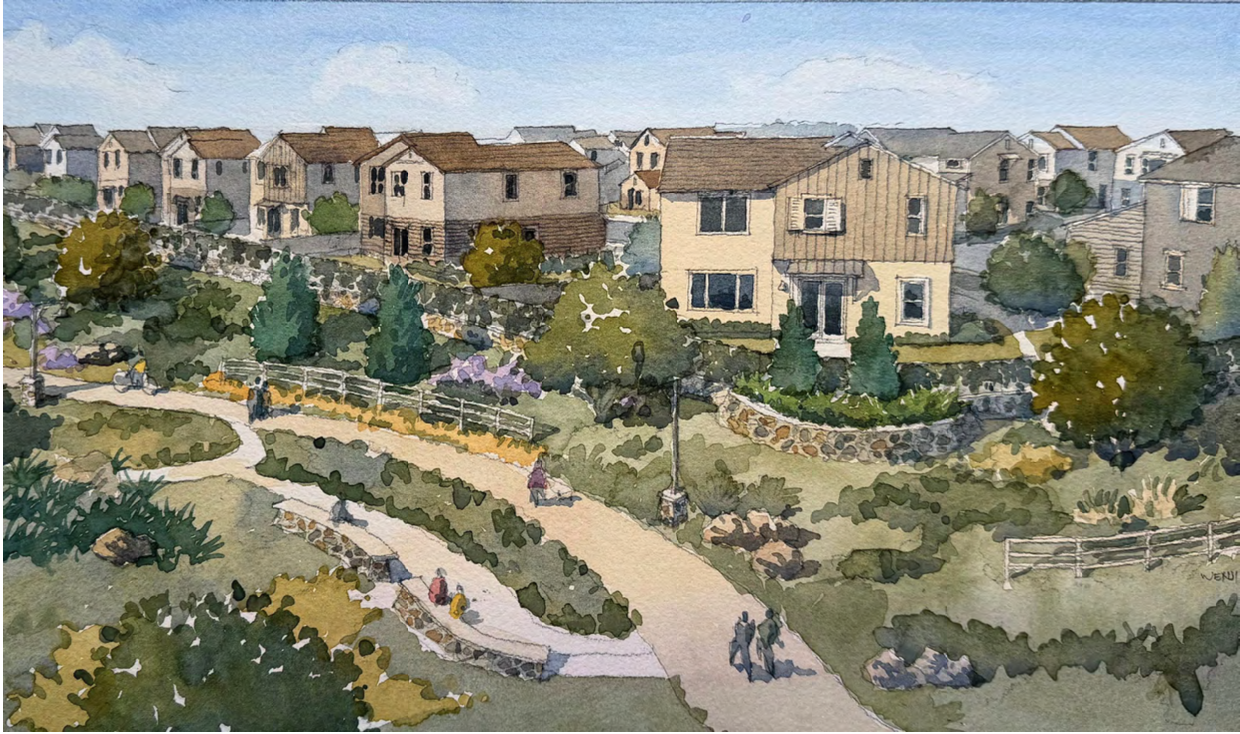
Benicia has at least four proposed housing developments on the books, including Rose Estates and the Valero refinery redevelopment. Together, these developments could create at least 5,120 new homes.
Valero’s impending departure from Benicia within two years could result in up to nearly $11 million in annual revenue loss, largely in lost tax and water utility payments. The city is hoping to partially fill that gap by taxing new home sales.
Measure Z would introduce a property transfer tax of between .4% and .8% on new or higher-end properties sold for $2 million or more.
The tax would not apply to:
- existing homes that sell for less than $2 million
- Immediate-family transfers.
The average Benicia home price was $832,000 as of June, according to online real estate platform Redfin.
Questions? We want to hear from you to help guide our upcoming election coverage. What do you want to know about these measures? What kind of election news would you like to read? Send a note to news@thebeniciabridge.com with your questions and information needs.